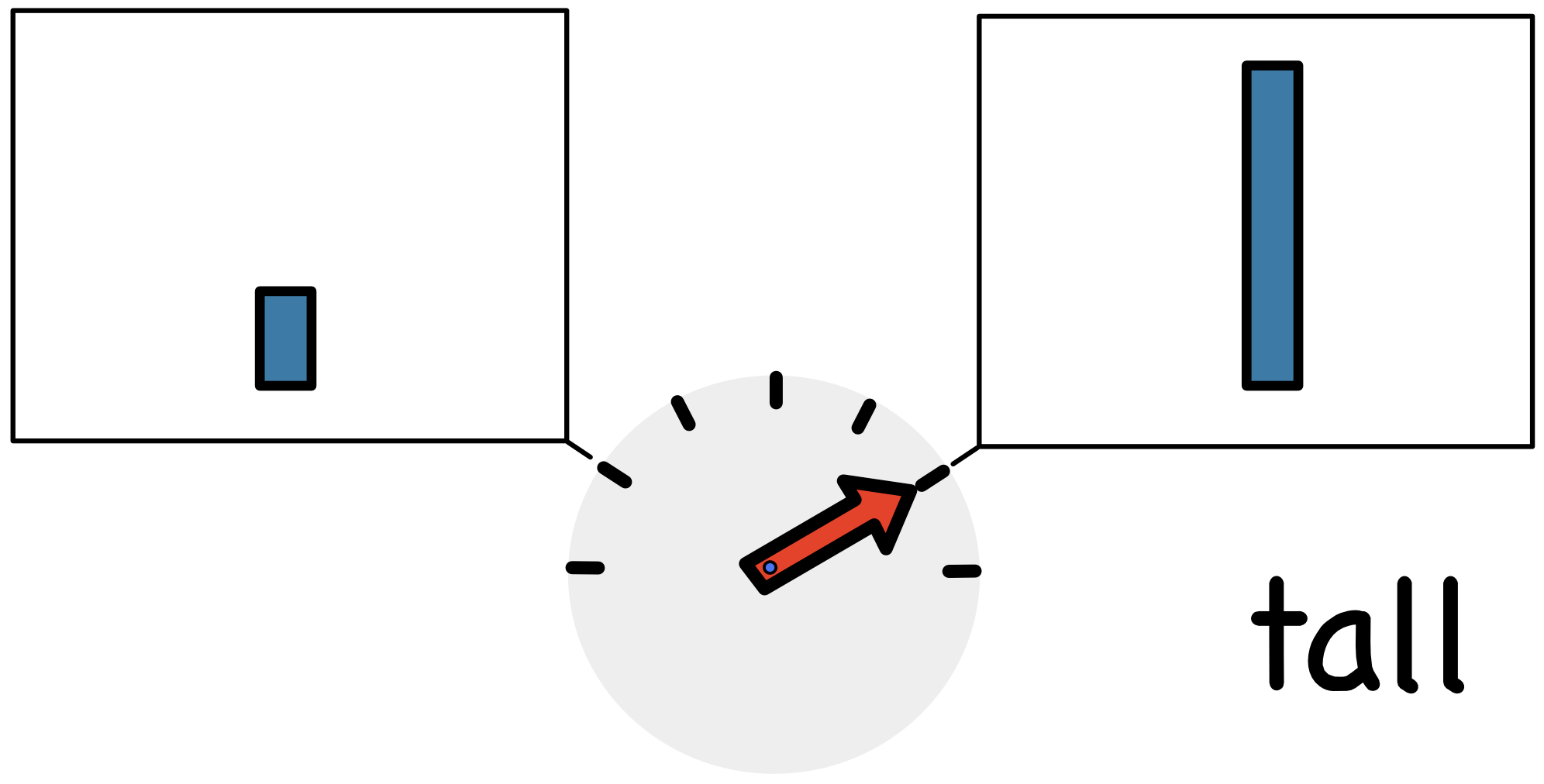
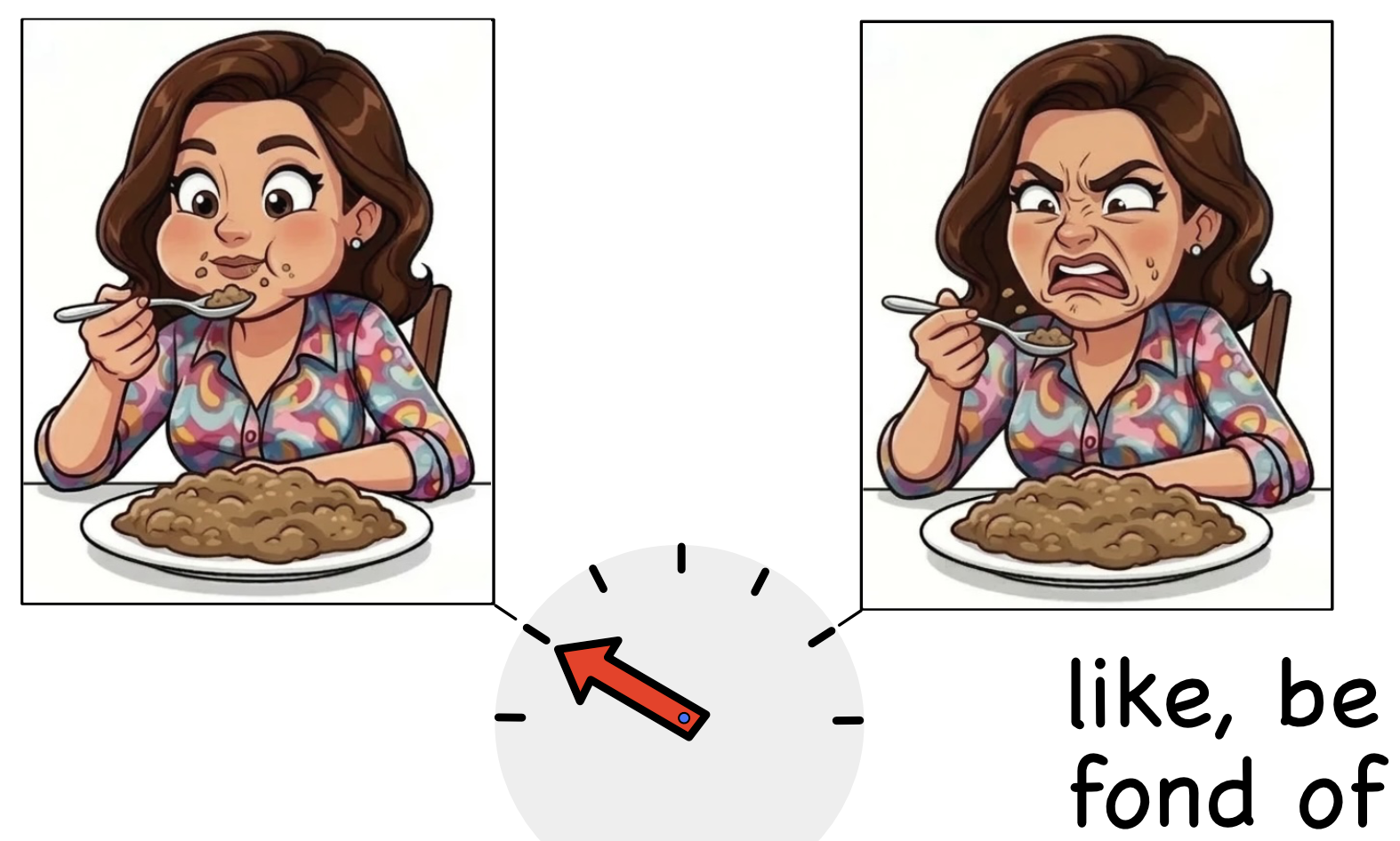
The symbol below is an example of what is called a "contrast symbol". It has this name because it presents two pictures that contrast with each other, or differ from each other in some important aspect. In the case below, we see two rectangles that are different in height. The pointer on the dial points at the tall rectangle, and so the meaning of the symbol is "tall". To interpret this symbol, you should think "not short but tall".
In a contrast symbol the focus of attention is on that which is different about the two pictures rather than that which is the same. The most striking contrast symbols have contrast pictures that represent opposite ends of a spectrum.
Now let's look at some more examples of contrast symbols:
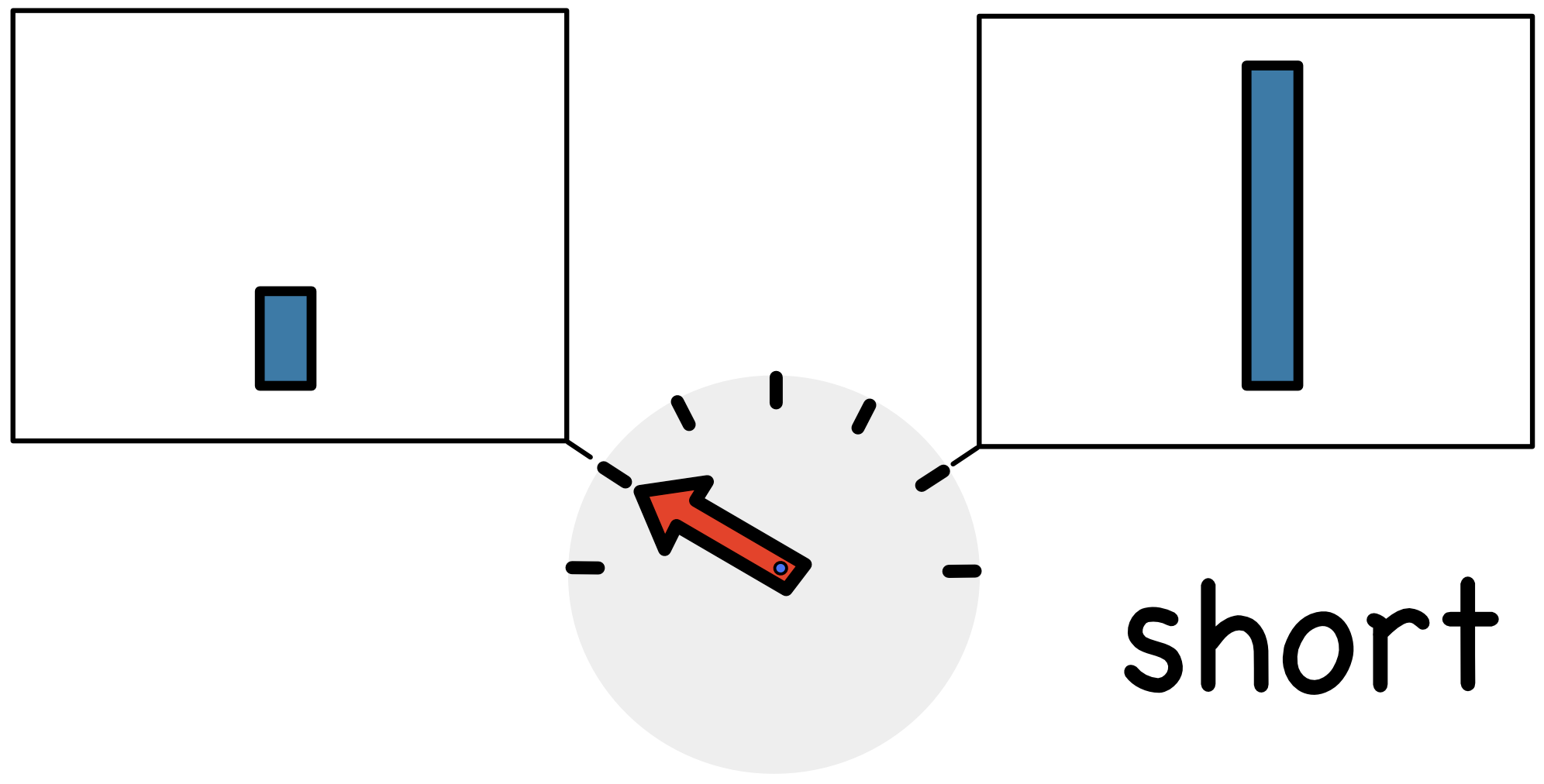
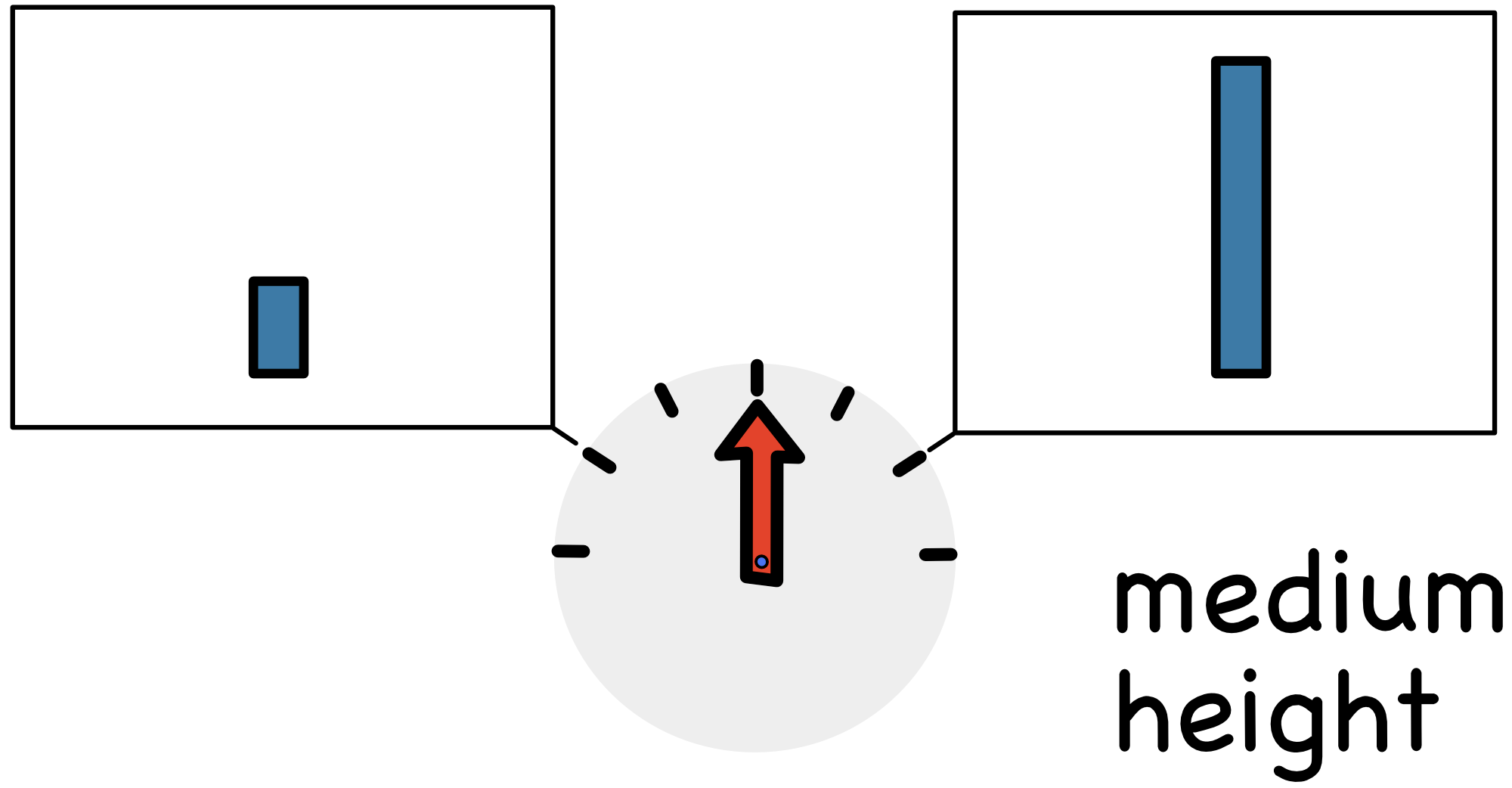
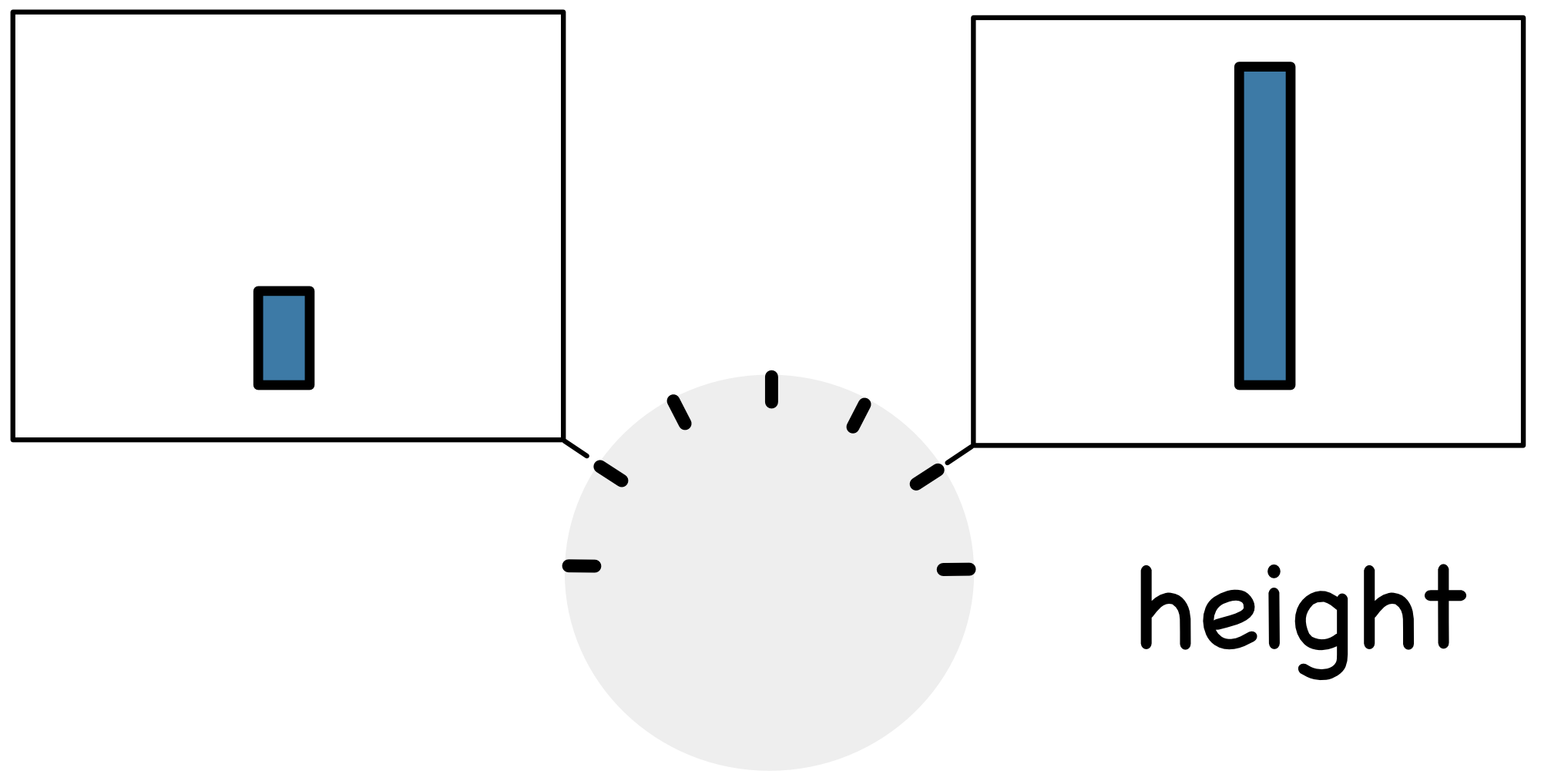
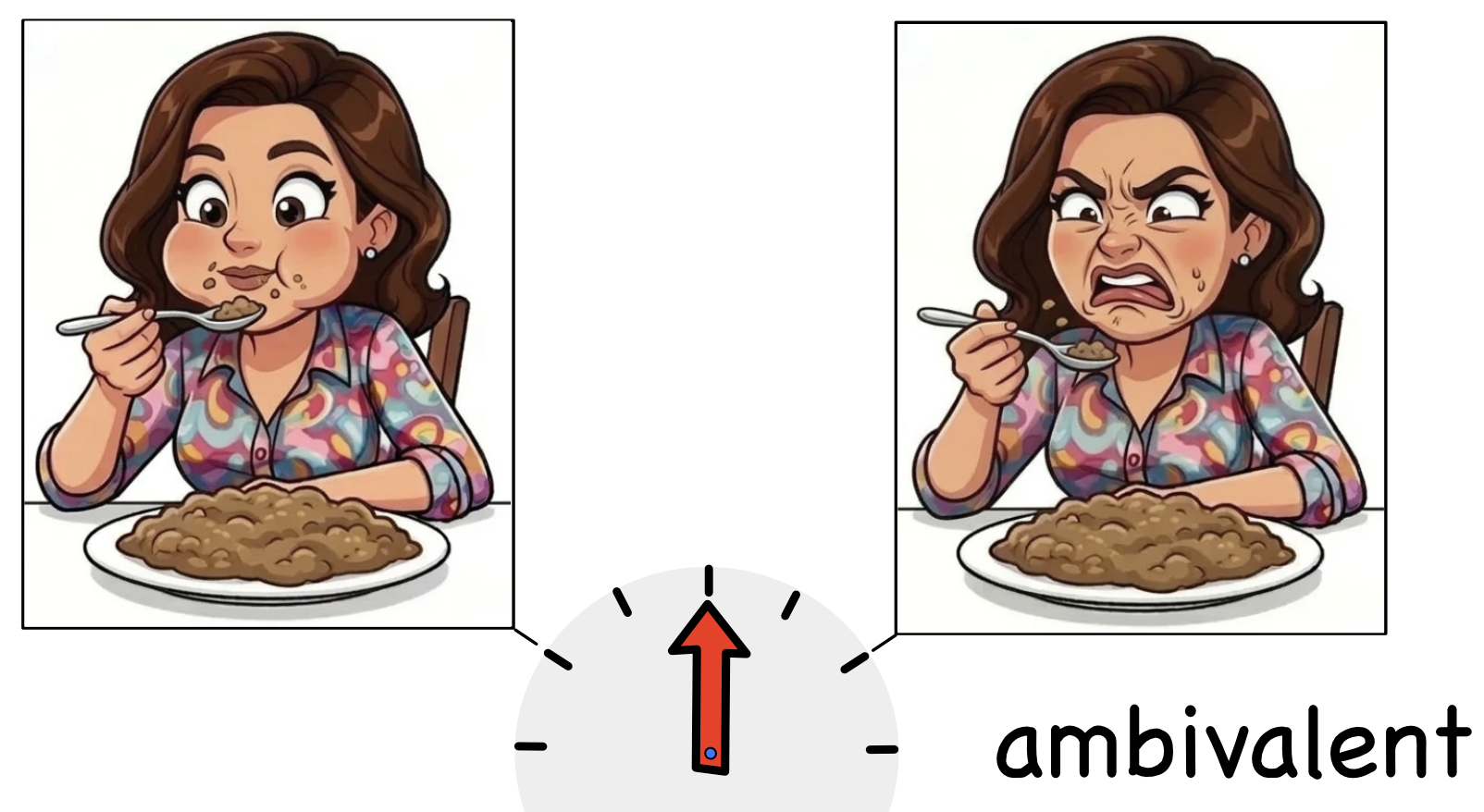
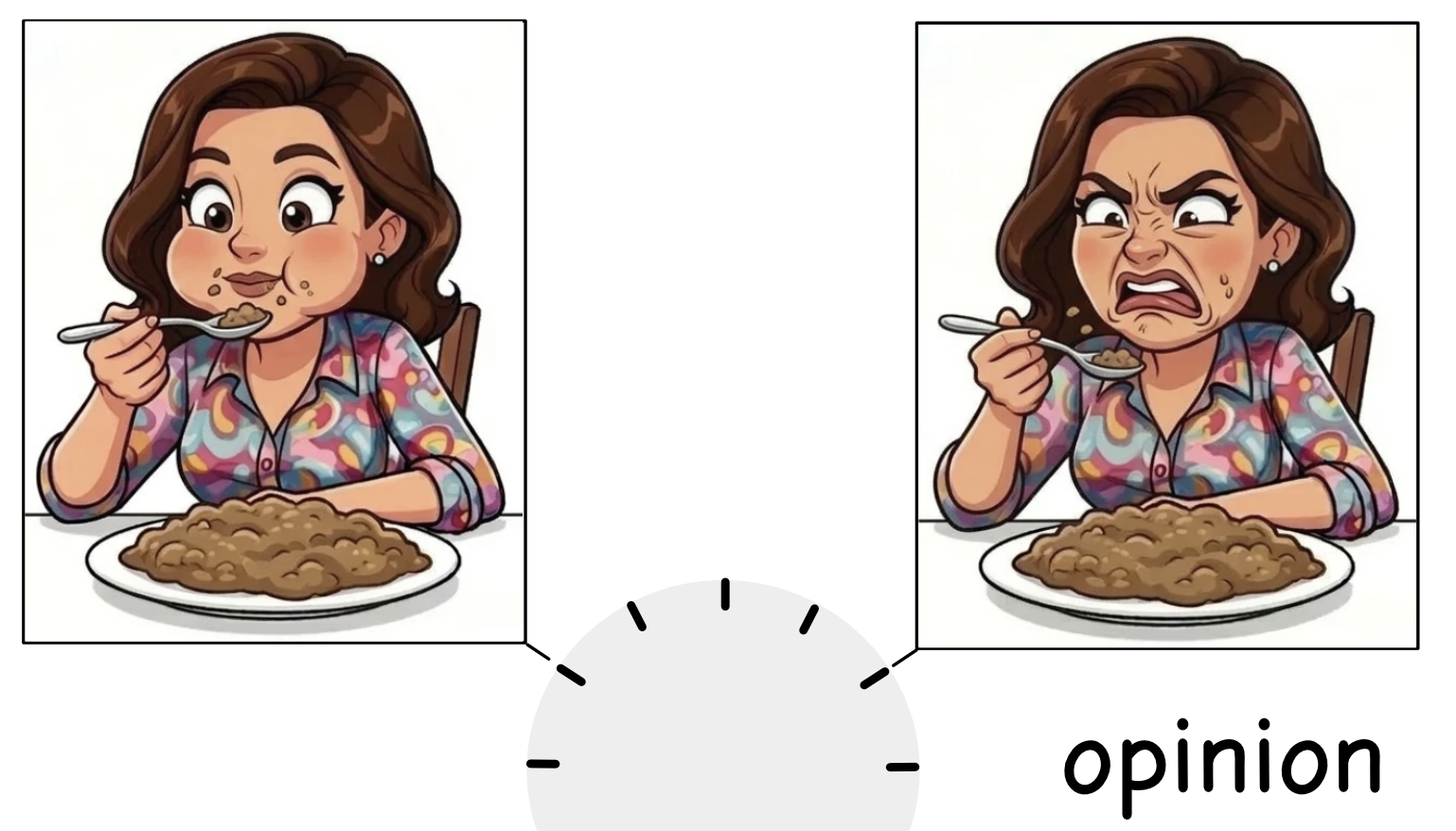
If we leave the pointer out of the dial then we are expressing a whole range of possibilities extending from one picture to the other:
Let's look at some more examples of contrast symbols.
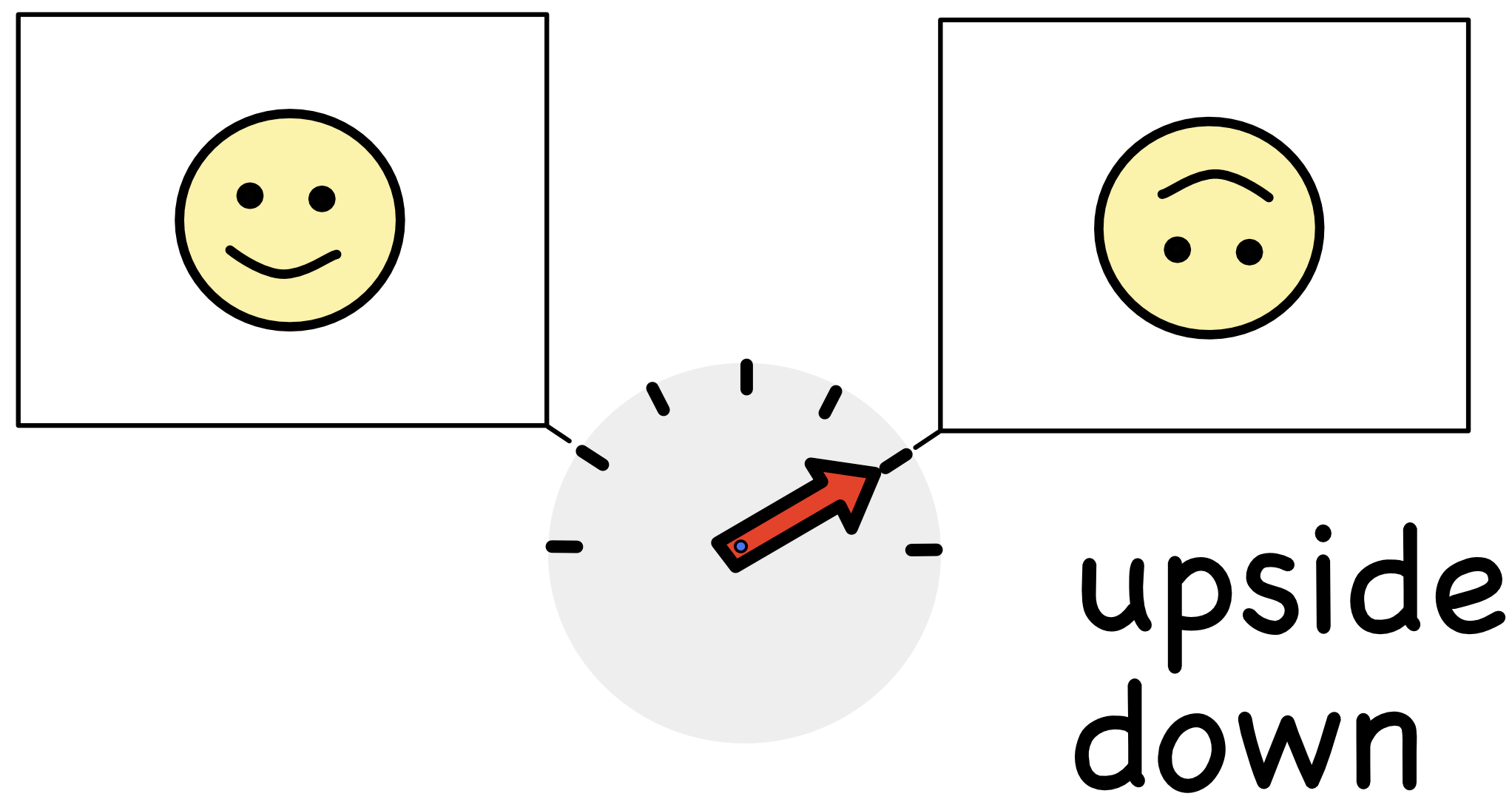
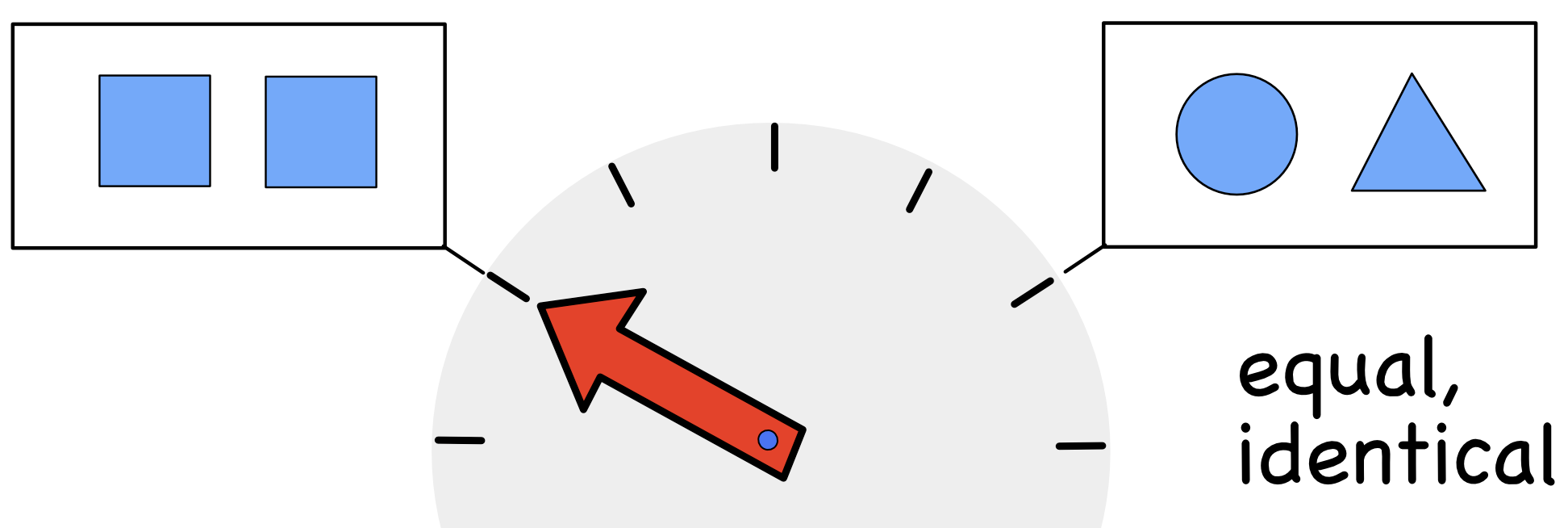
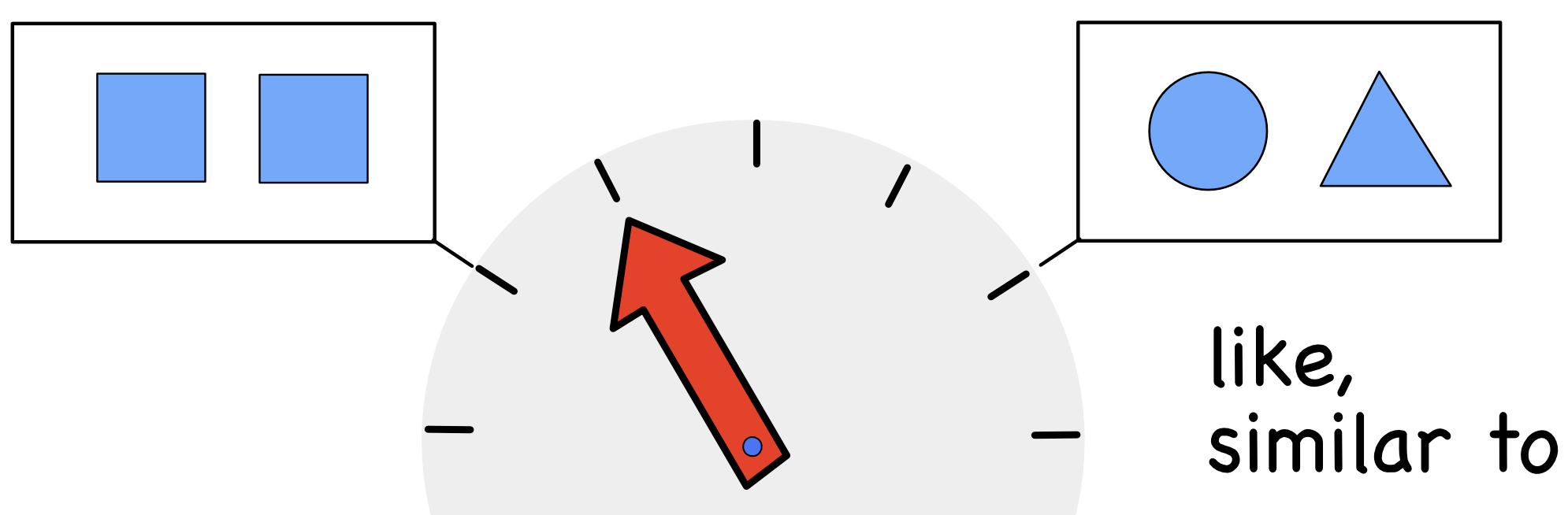
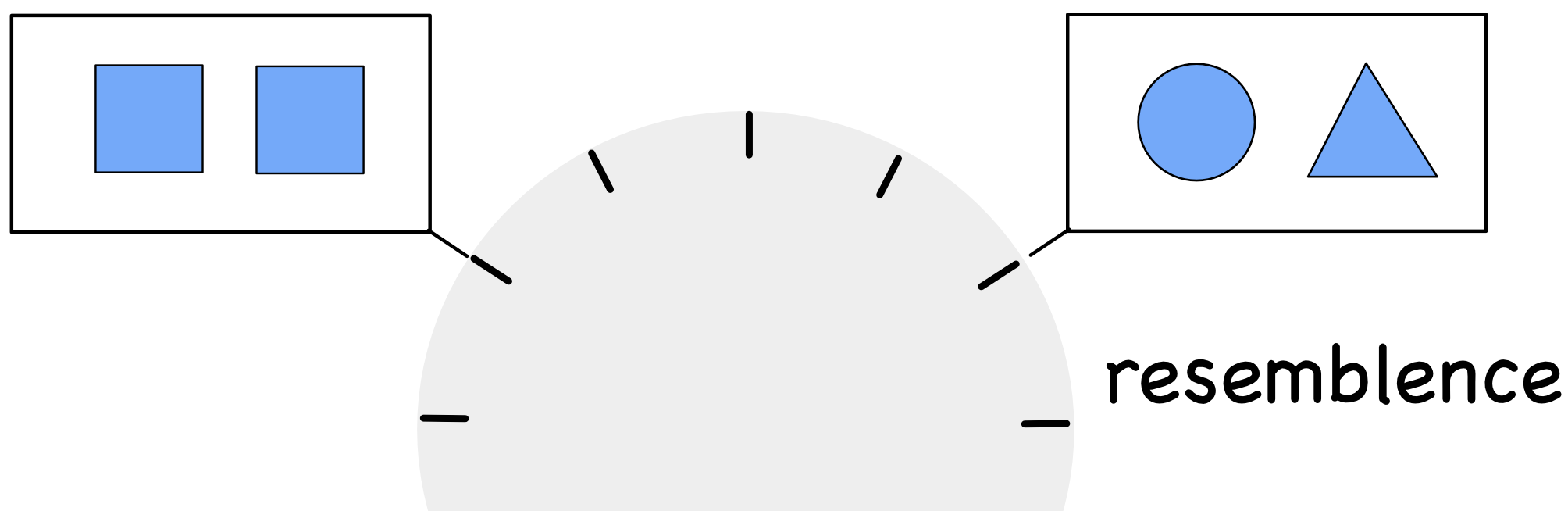
Look at the symbol above. In your mind's eye, imagine two shapes that are almost alike but not quite.
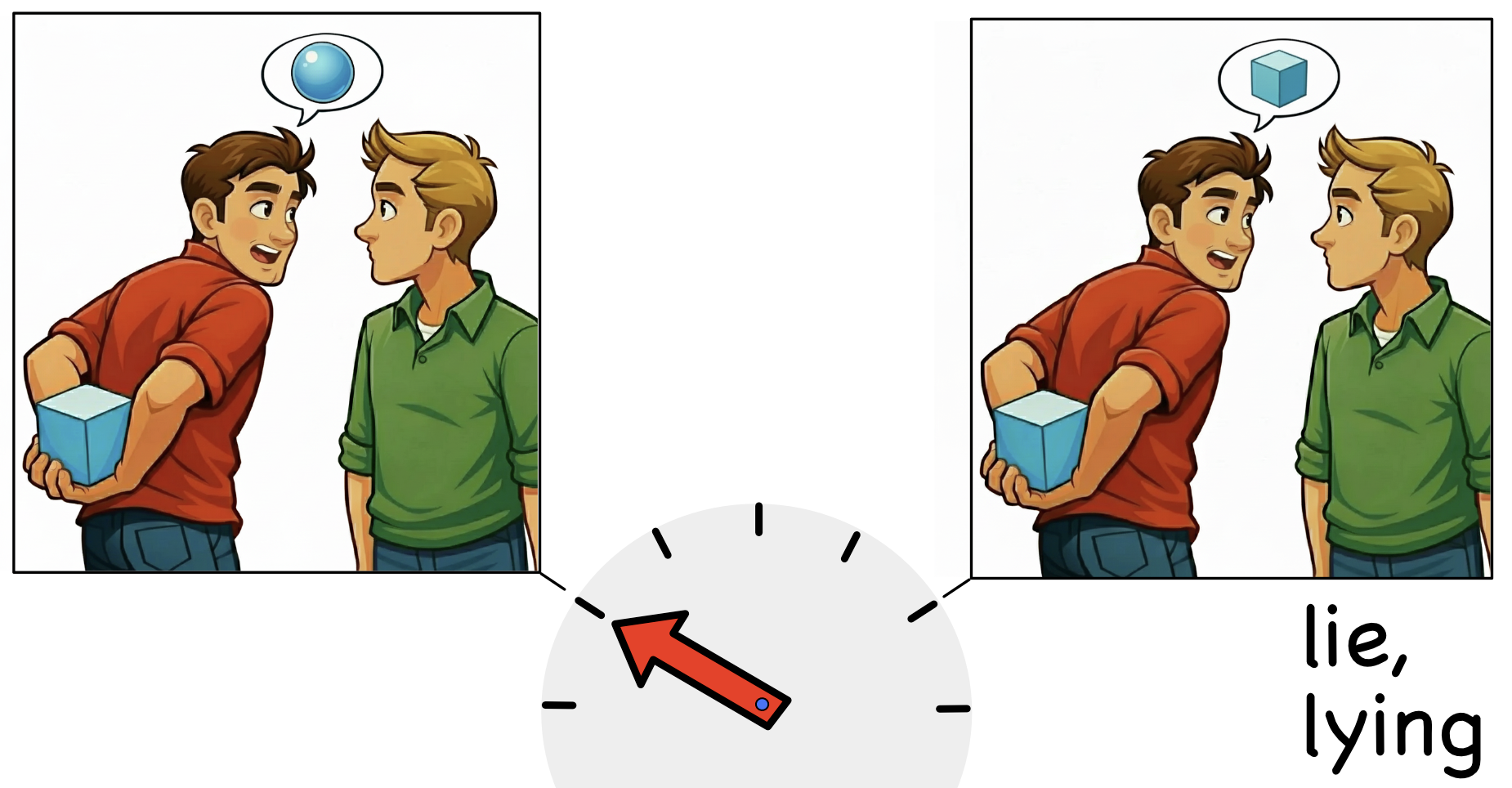
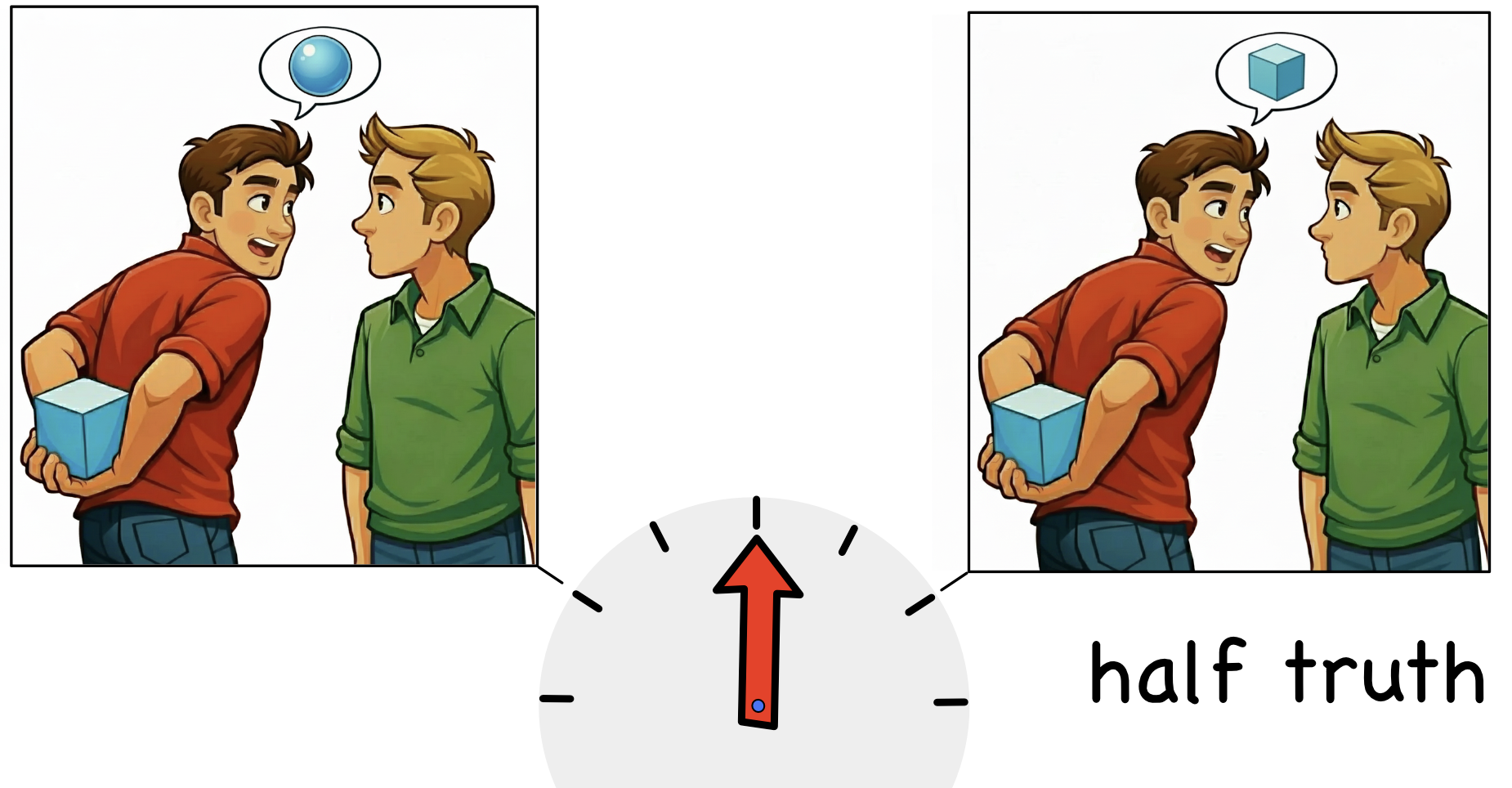
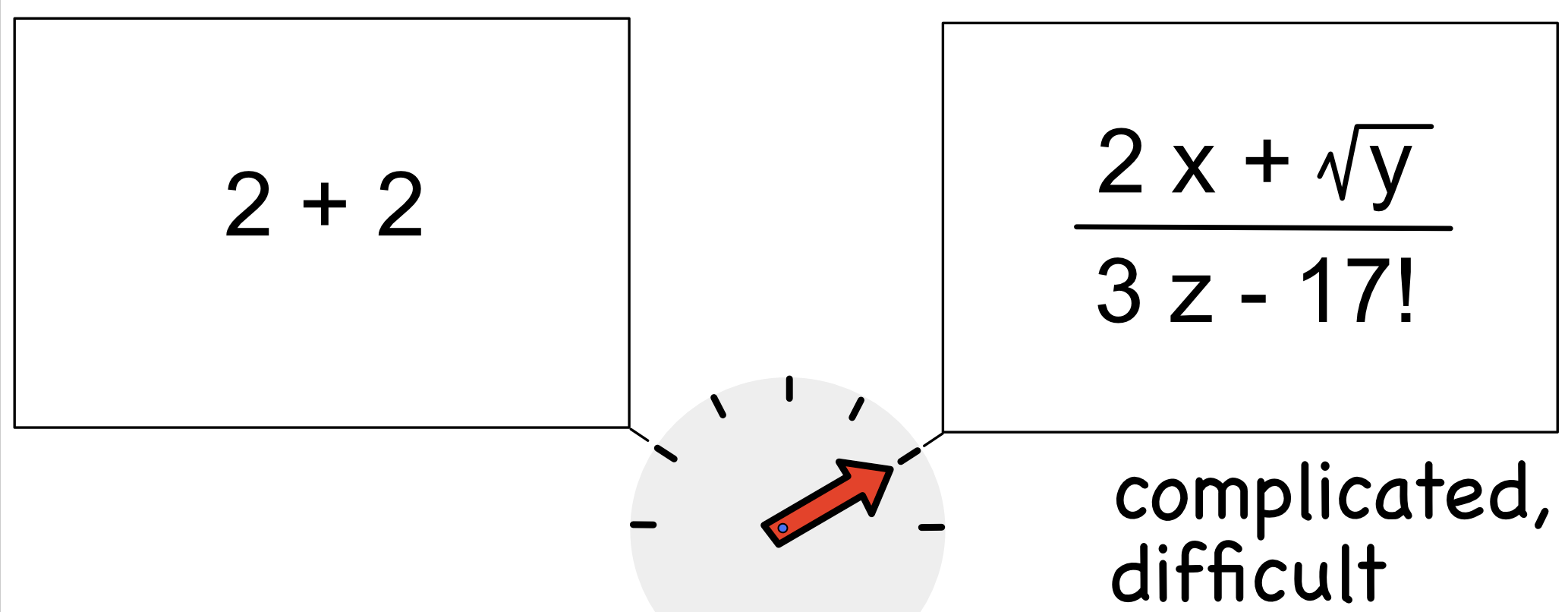
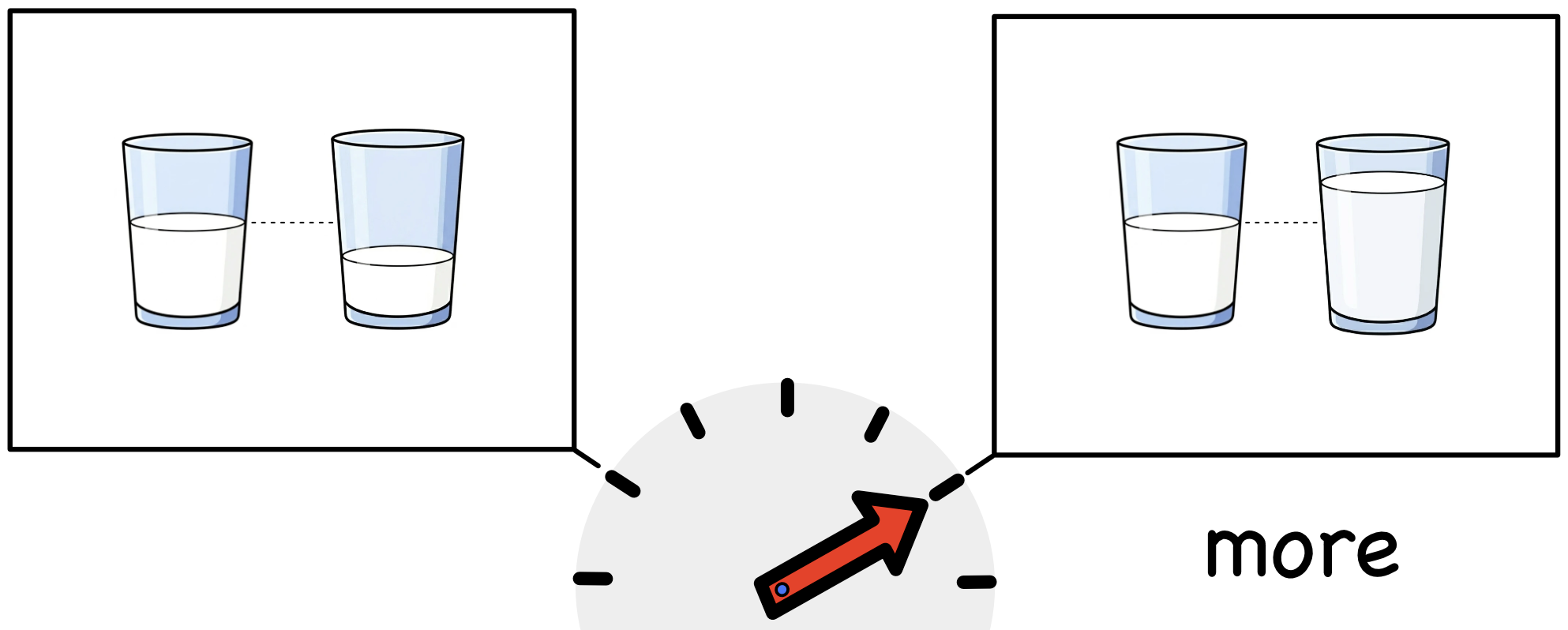
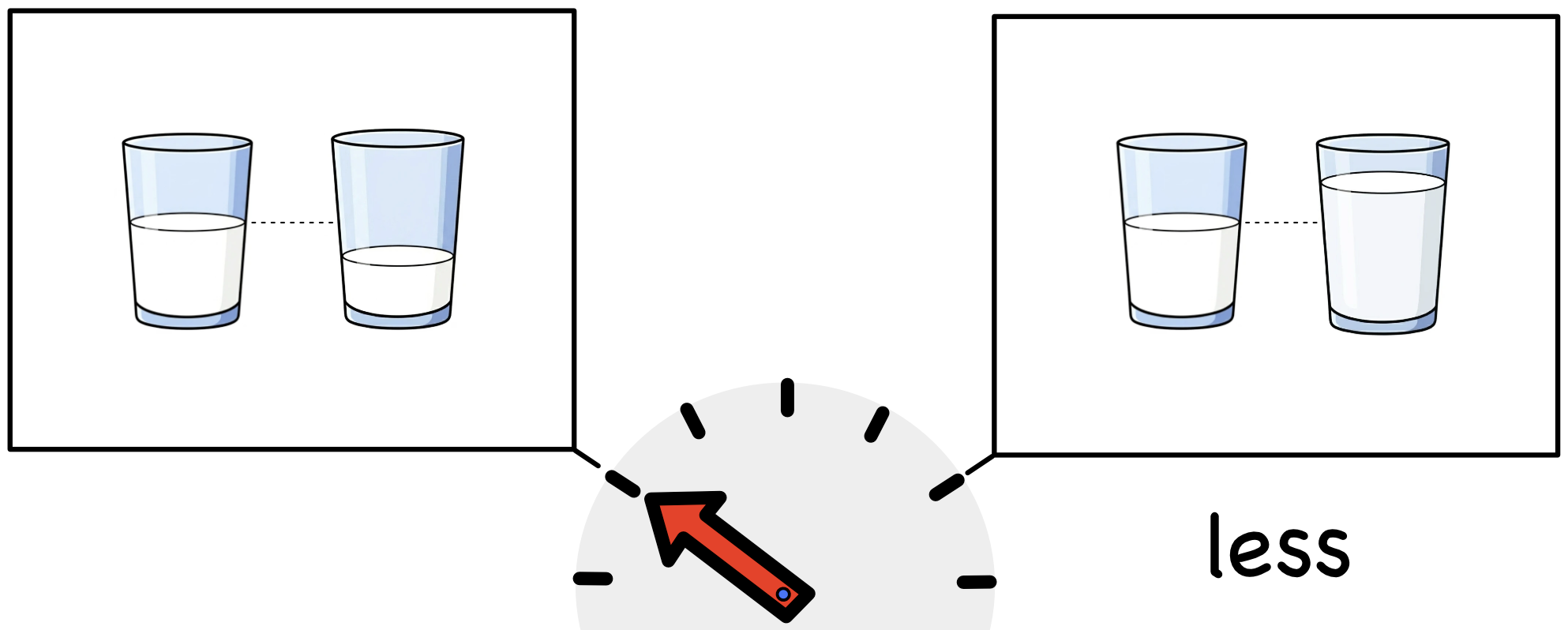
In picture language we can have many symbols for any given concept. You can even invent your own symbols! Here's an example of two different symbols that both mean "captive":
.png)
.png)
The dial and its pointer suggest a whole range of possibilities, but what do we do if there are only two possibilities, or three, or four? Consider the concept of "have" or "have not". There are only two possibilities - you either have something or you don't. There is no in between. In this case we put the contrast pictures each in a square. The square with the solid green lines is the choice we HAVE selected, and the square with the dashed red lines is the choice we have NOT selected:
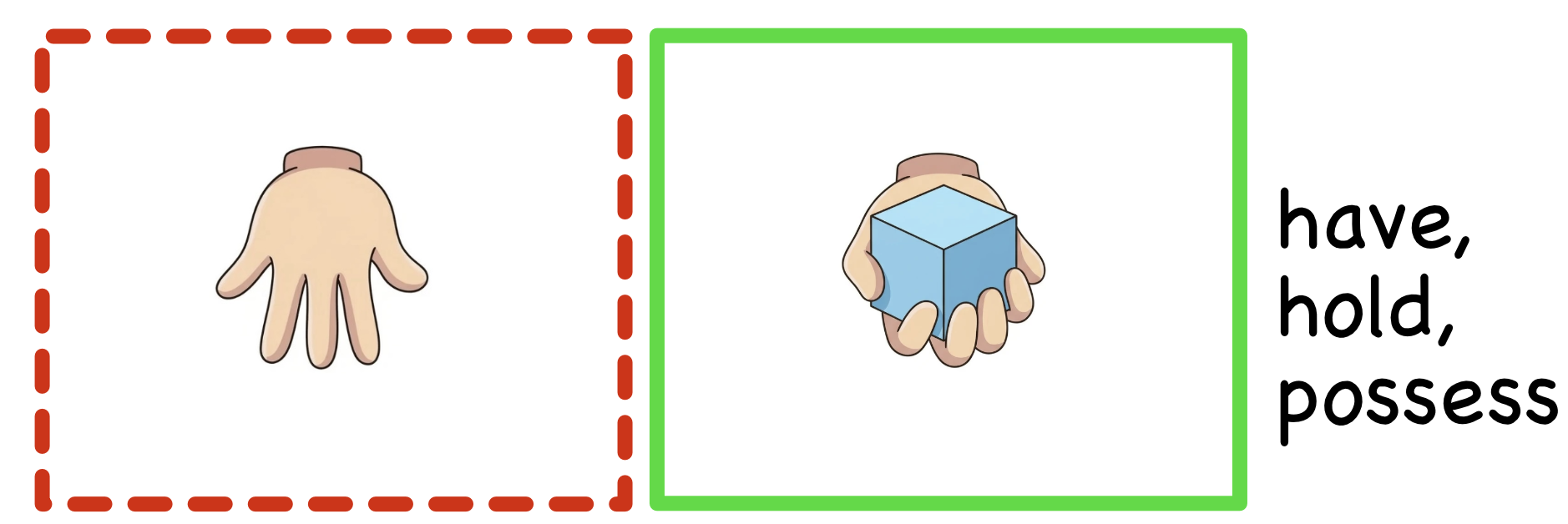
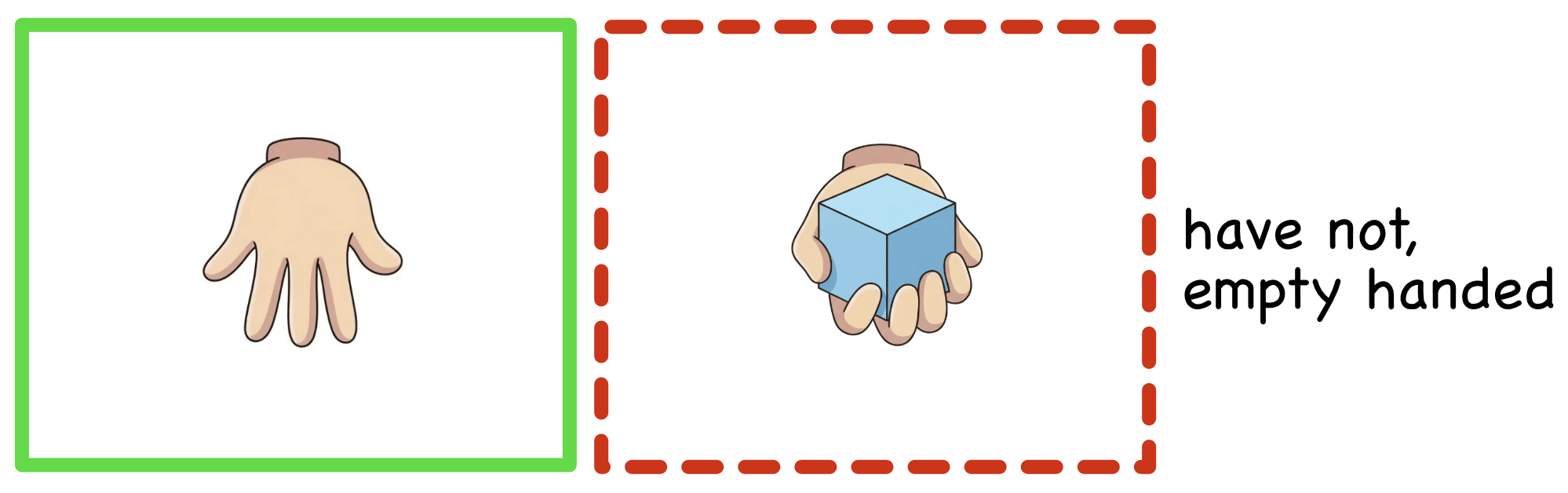
Let's look at a few more examples where the number of choices is limited:
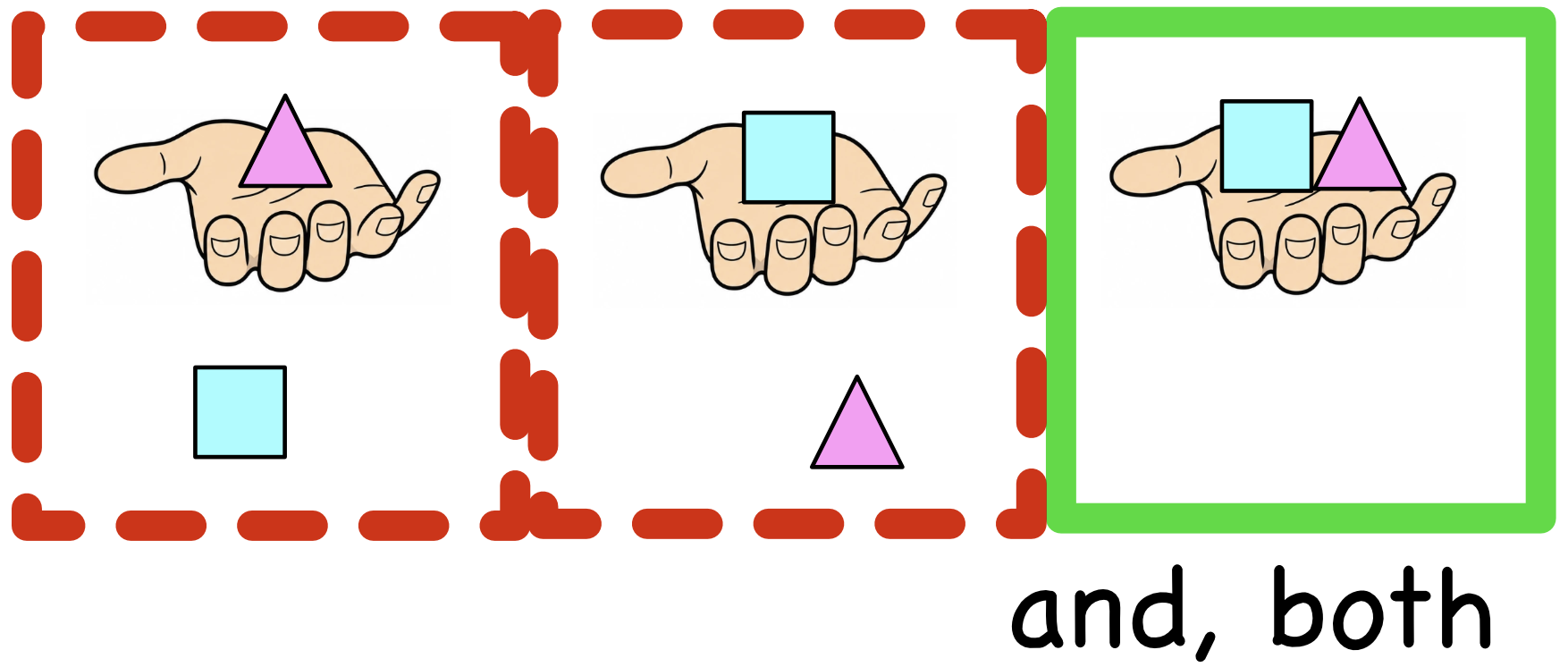
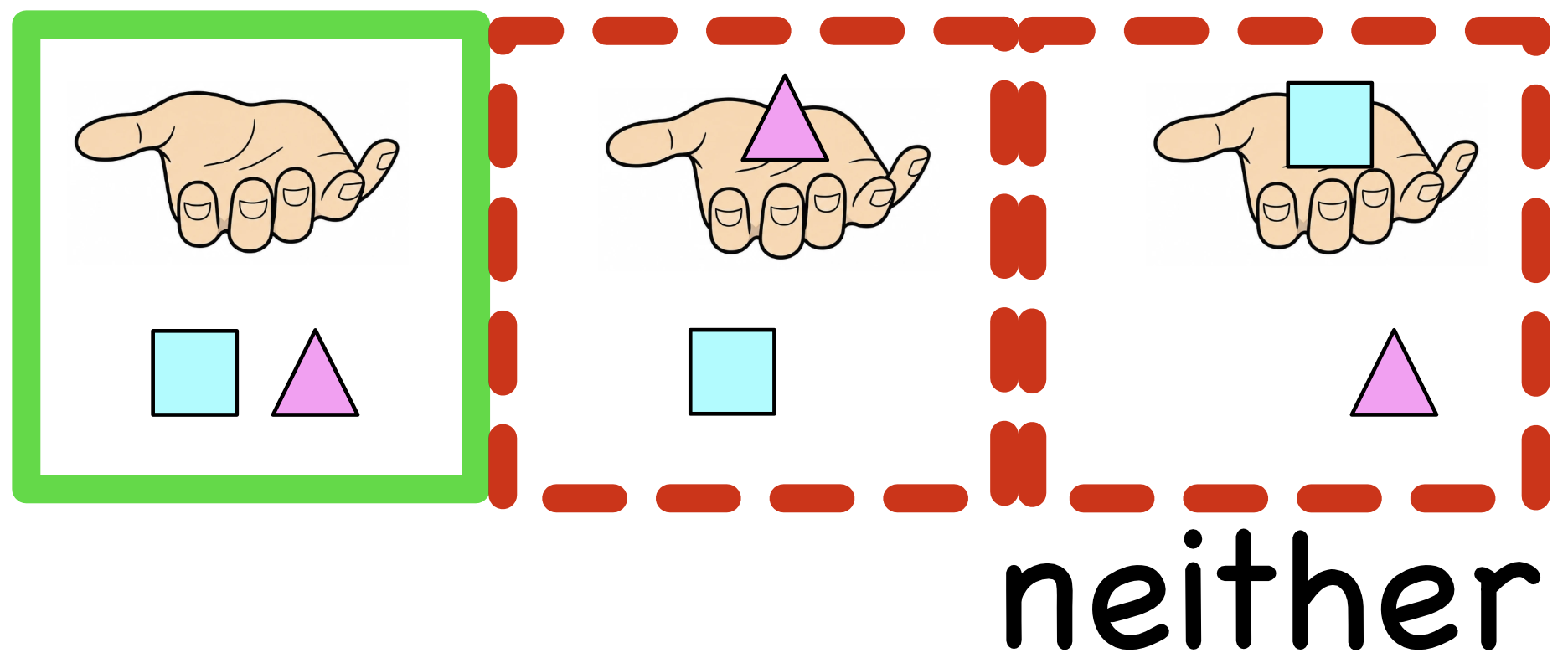
If we want to present a list of choices that do not have any of the choices selected or rejected then we can just enclose the contrast pictures in dotted black squares:
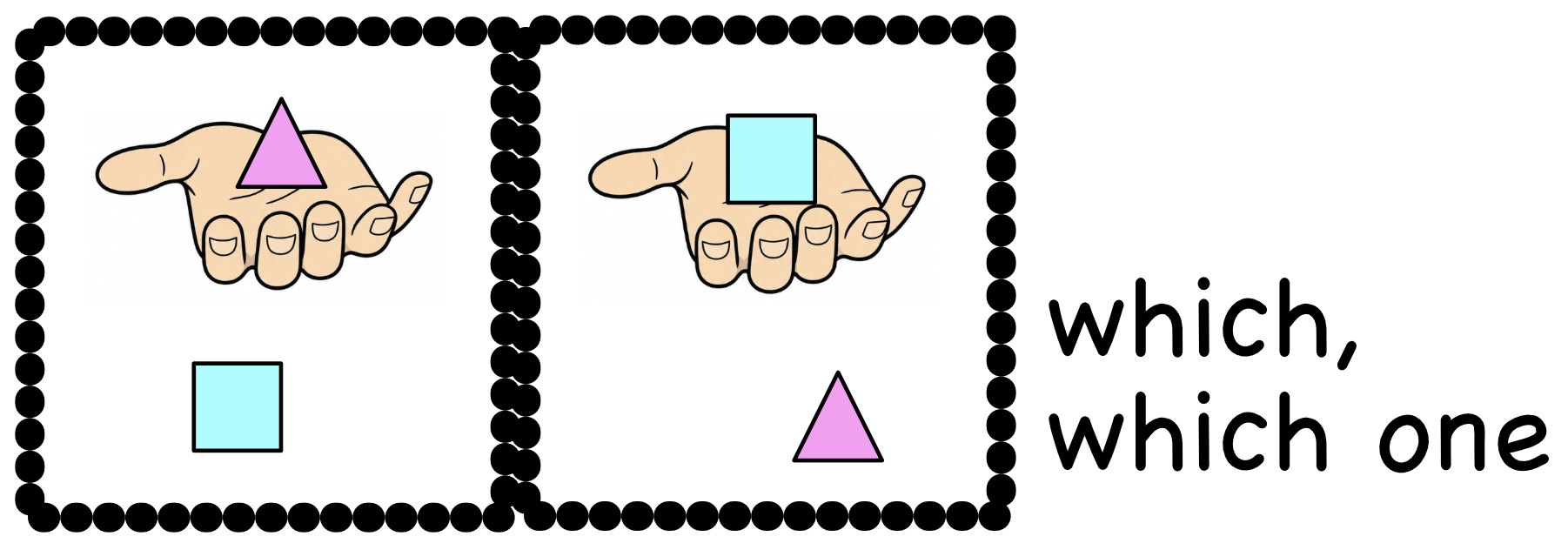
Can you understand the difference between the following two symbols?:
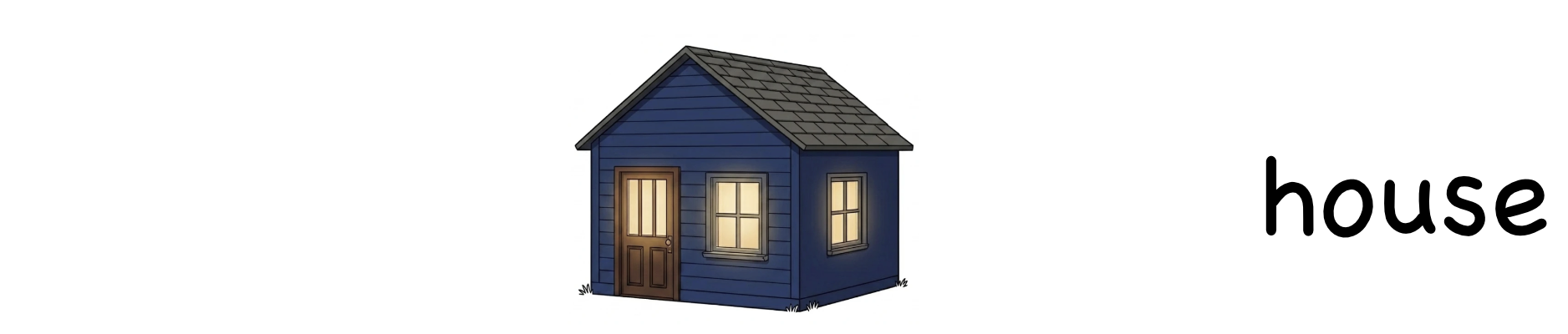
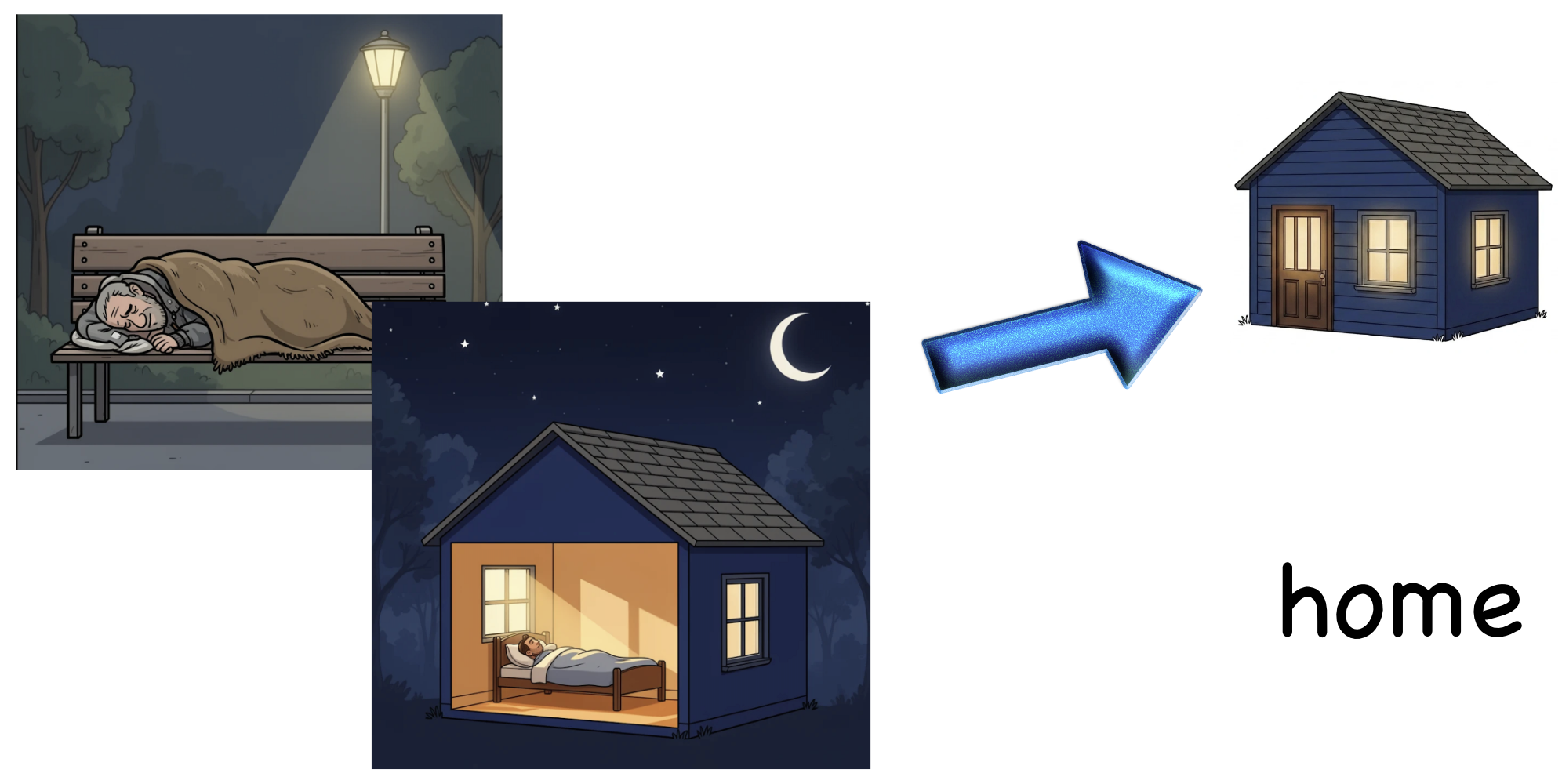
In the symbol above for "home" we see two contrasting pictures representing opposite concepts - homeless and having a home. Then we pull the house out of the picture. This means that it is not just any old house - it is a home.
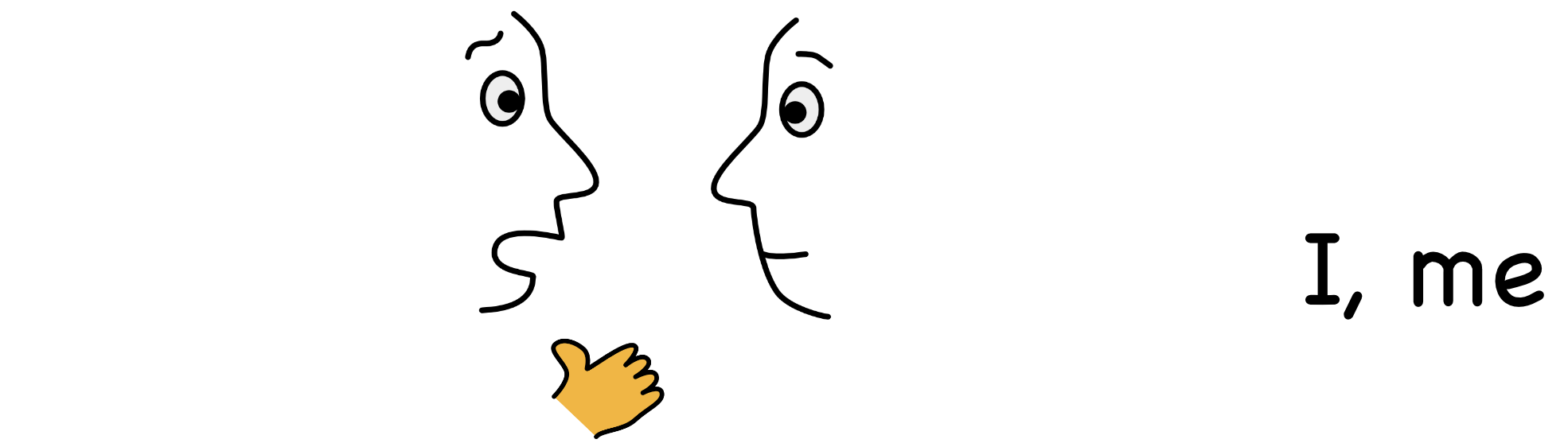
Now let's look at some sentences in Universal Picture Language.
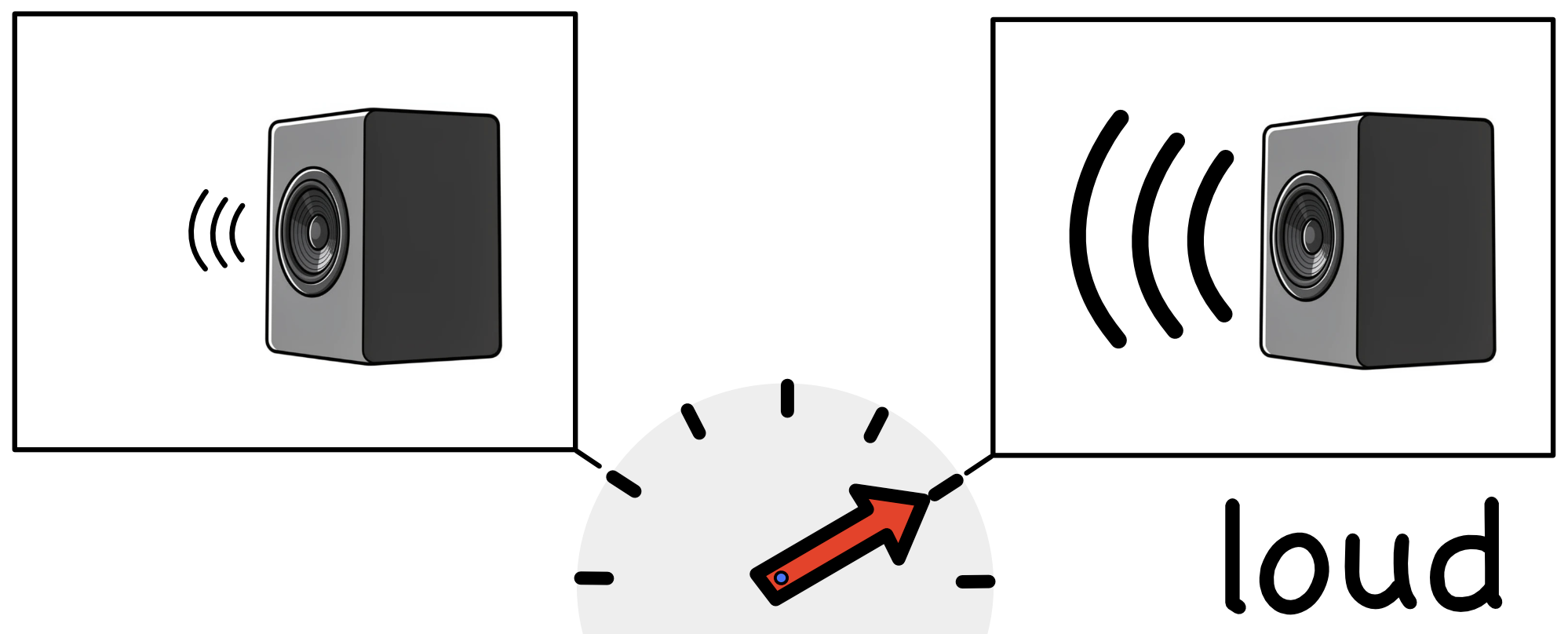
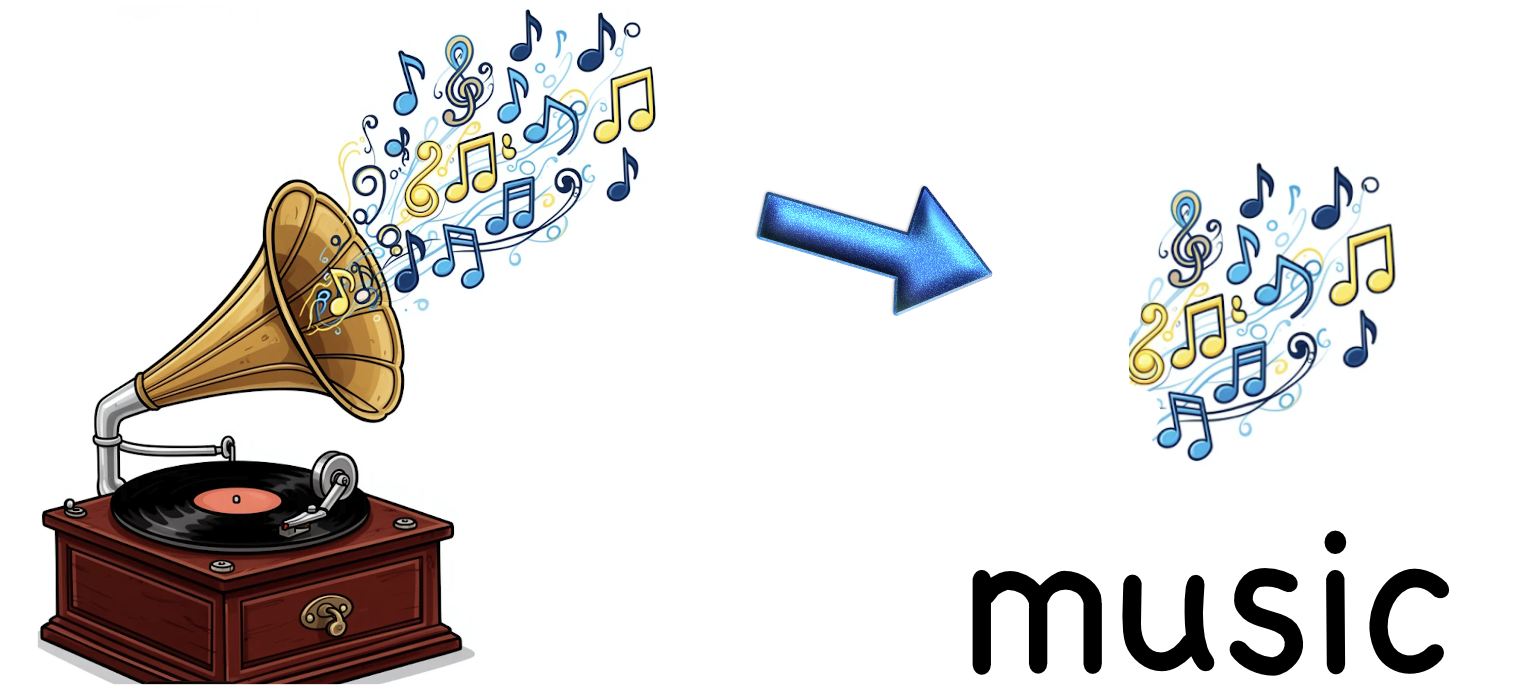
.png)
Translation: I like loud music.
Now let's try another sentence.
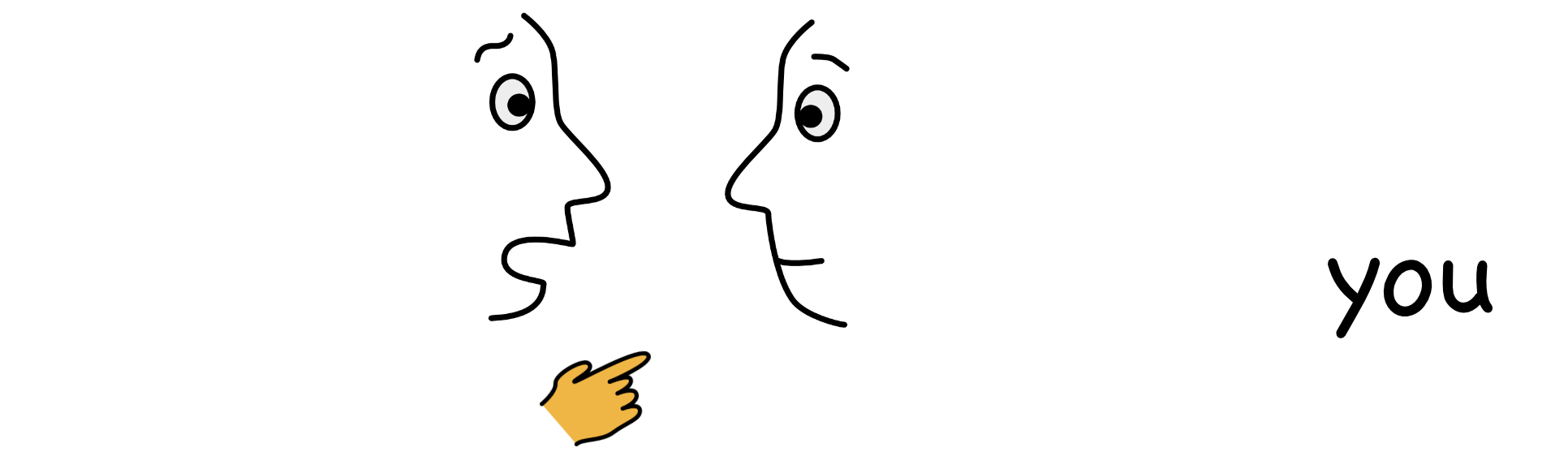
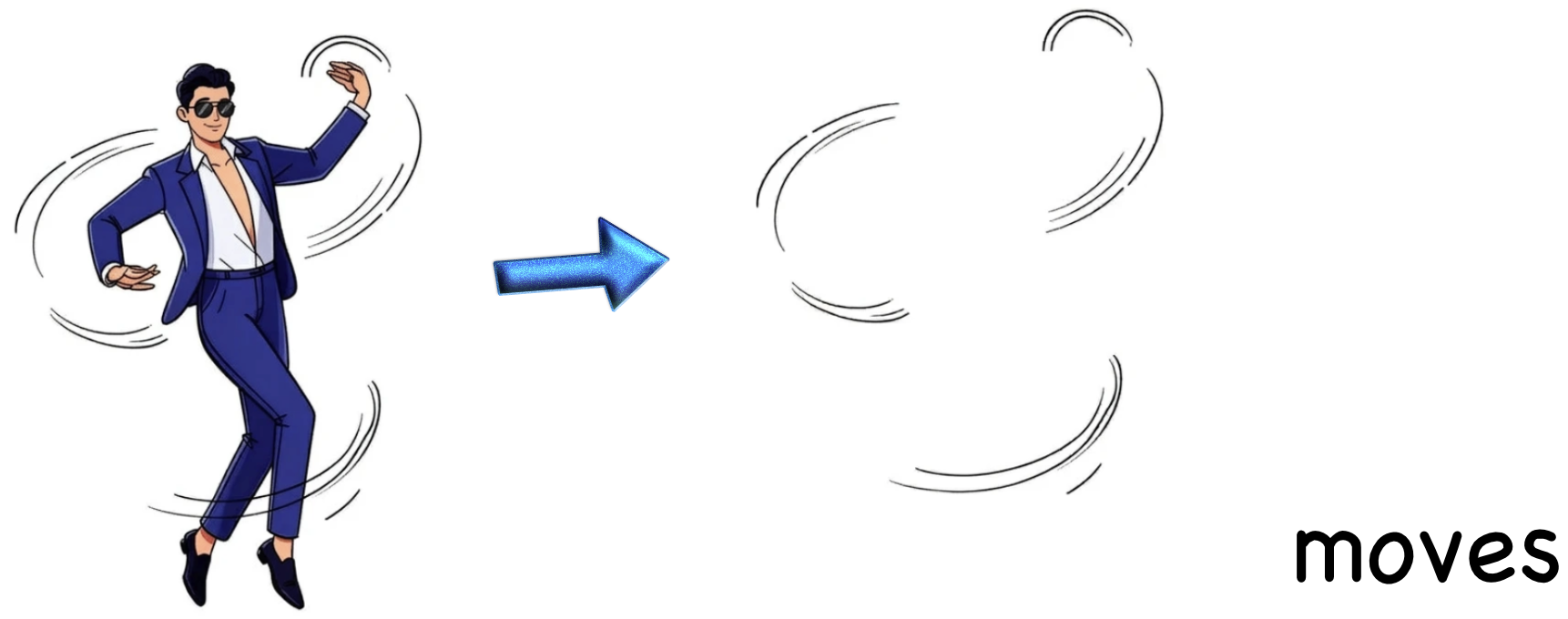
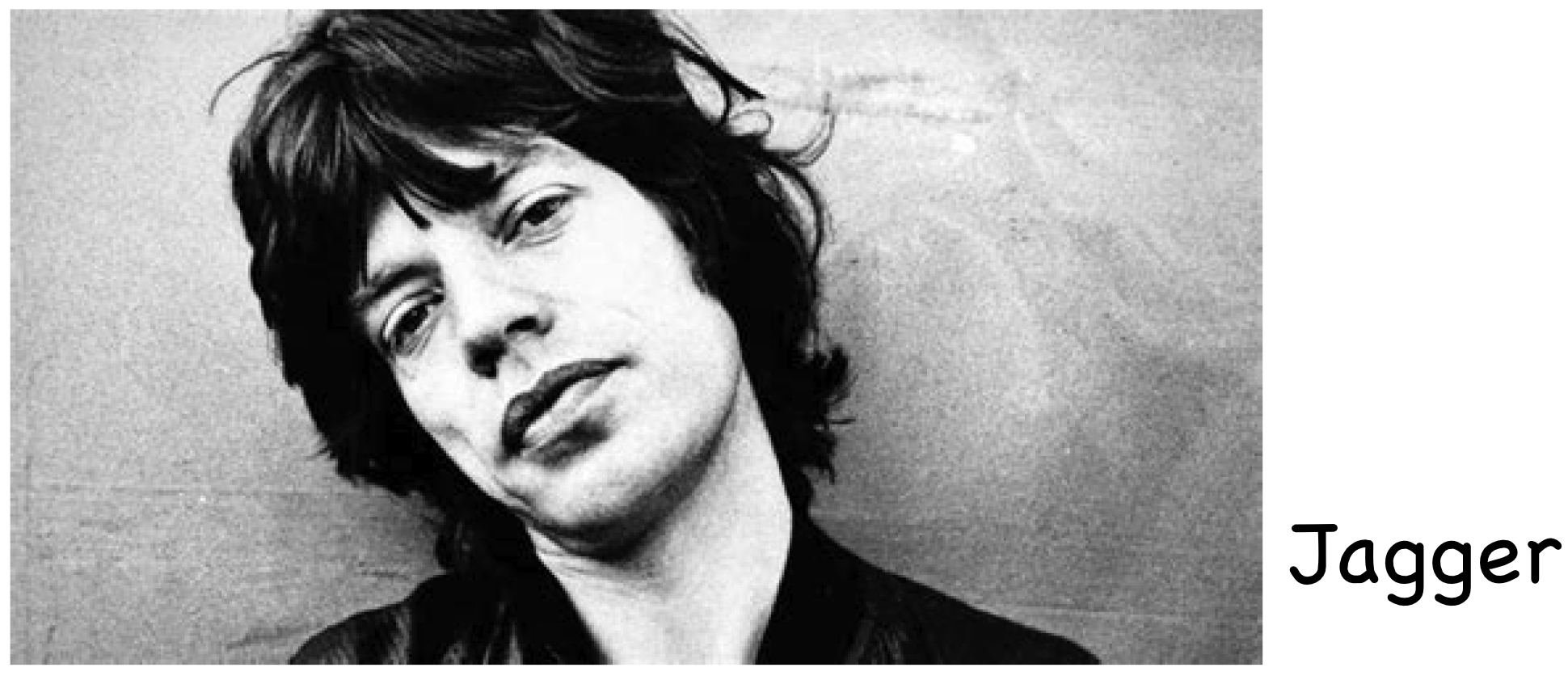
Translation: You've got the moves like Jagger.